Browse the curated construction delays hub for civil subcontractor field documentation tactics.
Weather events, safety stand-downs, and last-minute access changes are daily realities on roads, rail, utilities, and earthworks packages. The problem is not the delay itself - it is proving what happened, when it bit your programme, and what it cost your crew and plant when the head contractor asks for evidence weeks later.

This guide is written for civil subcontractors who need a repeatable way to protect margin when delays are excusable under the contract but easy to dispute without solid records.
Why generic site notes fail on civil packages
Civil work is highly interdependent: one holding point on haul routes, lifts, or permits can idle multiple items of plant and a full gang. If your record only says rain or stood down, you have described the weather - not the productive work you could not perform, the resources you held ready, or the knock-on to tomorrows sequence.

What to capture at the time of the delay
A defensible delay record for civil subcontractors should include:
- Time-stamped start and finish of the impacting event (including any partial return to work).
- Location and chainage or structure ID so the event ties to the programme activity, not a vague area of site.
- Directed stand-down or access denial (who communicated it and how - email, site instruction, verbal with witness).
- Resources on standby: plant list, operators, crews, specialist subcontractors, and pre-mobilised materials.
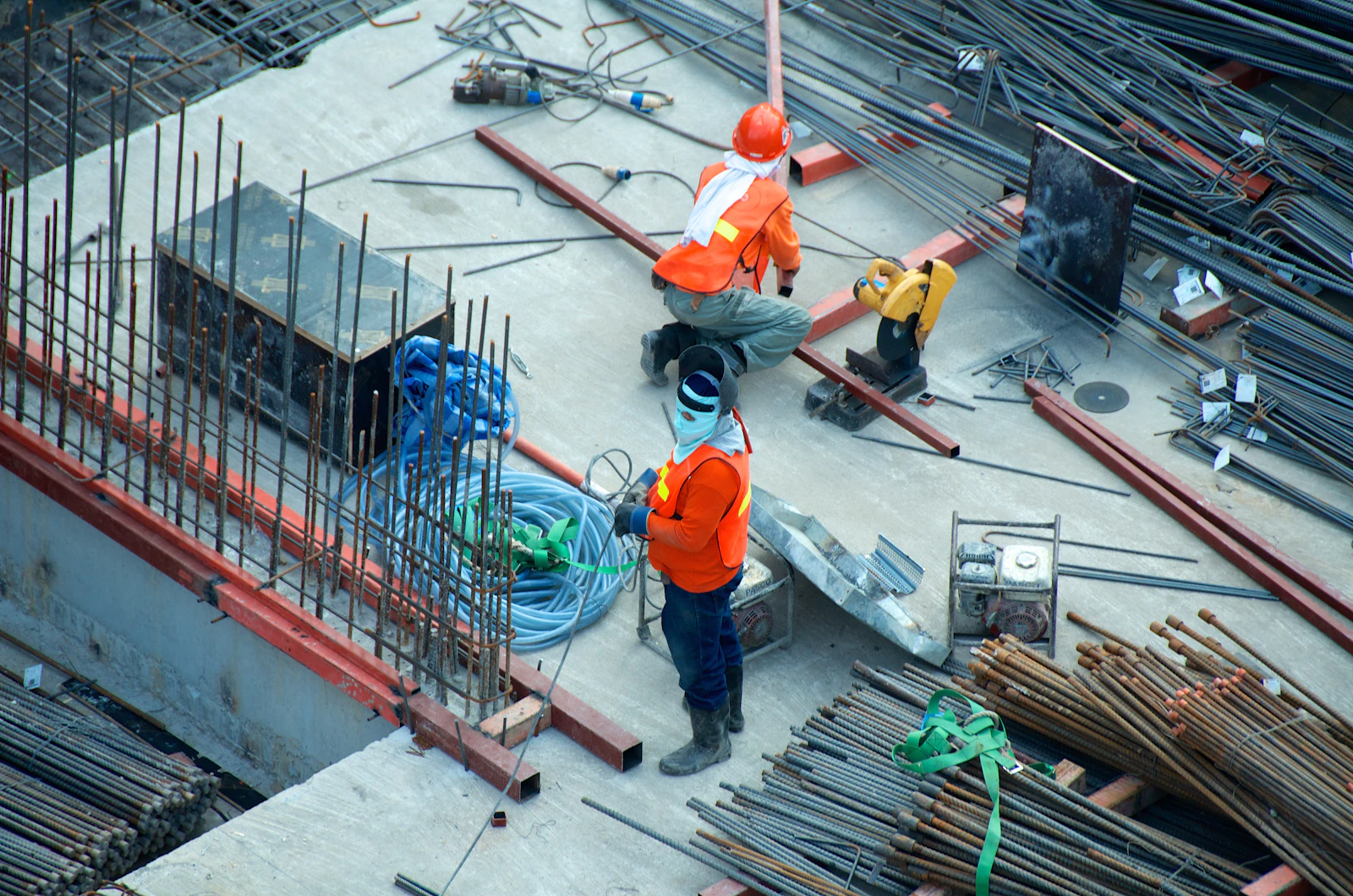
- Photos or short video showing standing plant, waterlogged working surfaces, unsafe edges after weather, or closed access points.
- Lost productivity in plain units (m3 not placed, lengths not piped, lifts not completed) rather than narrative only.
When crews and plant are stood down, a same-day dayworks docket is often easier for a client to review than a long email. Use the free Dayworks Docket Generator to capture labour, plant, the instruction, and delay notes on one printable PDF while the details are still fresh.
Link delays to contract clauses and notices
Most Australian civil contracts require prompt notice of delay events - even where the facts feel obvious. Pair your field record with the notice date, method of service, and contractual reference (EOT, variation, relief event) so commercial teams can assemble a claim without re-interviewing the foreman.
How DelaySolve helps civil teams recover delay costs
DelaySolve is built for subcontractors who cannot afford slow, inconsistent paperwork. Engineers log delays in minutes with structured fields for time, location, resources, and costs, then generate evidence-ready outputs instead of rebuilding the story from chat logs at month end.
For a fast, no-login starting point, share the Dayworks Docket Generator with foremen so standing time and weather holds are captured in the same PDF layout your commercial team can reuse inside a variation or EOT pack.
If your team is still stitching delay costs together from spreadsheets and photos buried in phones, moving to a single system materially improves approval rates for standing time, standby plant, and remobilisation - the items that quietly erode civil margins.
Key takeaways
- Treat weather and stand-down events like commercial records, not diary anecdotes.
- Quantify productivity loss in units and tie it to programme activities.
- Notify early and keep a single thread of evidence from site to claim.
- When you need paperwork tonight, run the shift through the free dayworks PDF tool so labour, plant, and instructions match what reviewers expect to see.